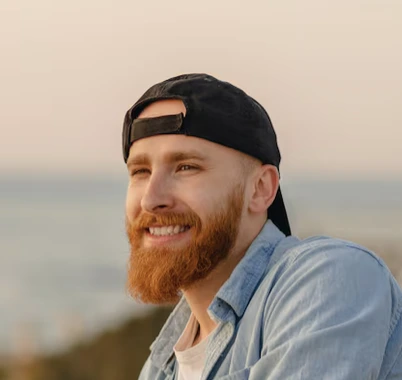
Why Choose Relaxation Without Alcohol?
Exploring relaxation methods that exclude alcohol offers numerous health benefits. Alcohol consumption can lead to dehydration, disrupted sleep patterns, and increased anxiety levels. In contrast, engaging in activities like yoga, meditation, or nature walks promotes physical well-being by enhancing cardiovascular health and boosting the immune system. For instance, a study published in the journal Health Psychology found that individuals who practice mindfulness meditation report lower levels of stress and improved emotional regulation.
Mental clarity is another significant advantage of seeking relaxation without alcohol. Abstaining from alcohol leads to improved cognitive function, sharper focus, and better memory retention. A research review in Neuroscience & Biobehavioral Reviews indicated that alcohol can impair decision-making abilities and reduce concentration. Alternatives such as reading, journaling, or engaging in creative hobbies can foster mental sharpness and clarity, allowing individuals to experience a more profound sense of presence and awareness.
Social aspects also play a vital role in choosing alcohol-free relaxation methods. Many people find that engaging in sober social activities, such as group fitness classes or art workshops, fosters deeper connections with others. These environments often encourage authentic interactions, free from the inhibitions alcohol may create. Sober gatherings can lead to more meaningful conversations and contribute to a supportive community, enhancing overall social well-being.
What Are Effective Alternatives to Alcohol for Relaxation?
Herbal teas: Chamomile, valerian root, and lavender teas are known for their calming effects. These herbal infusions can help reduce anxiety and promote restful sleep.
Meditation: Mindfulness meditation and guided imagery can significantly lower stress levels. Regular practice enhances mental clarity and emotional resilience.
Exercise: Physical activity, such as yoga or jogging, releases endorphins, which help elevate mood and reduce tension. Aim for at least 30 minutes of moderate exercise most days.
Aromatherapy: Essential oils like bergamot and sandalwood can create a soothing environment. Diffusing these oils or using them in a bath can enhance relaxation.
Deep breathing exercises: Techniques such as diaphragmatic breathing can induce a state of calm. Practicing deep breathing for a few minutes can help alleviate stress quickly.
How Can Mindfulness Practices Enhance Relaxation?
Mindfulness practices, including meditation and deep breathing, significantly contribute to achieving relaxation by fostering awareness and presence. Meditation encourages individuals to focus on the present moment, reducing stress and promoting emotional well-being. Regular meditation can decrease levels of cortisol, the stress hormone, leading to a calmer state of mind. Studies indicate that just 10 minutes of daily meditation can improve focus and reduce anxiety, making it an effective tool for relaxation.
Deep breathing techniques further enhance relaxation by activating the body's parasympathetic nervous system. This system counteracts the stress response, leading to slower heart rates and lower blood pressure. Practicing deep breathing exercises, such as the 4-7-8 technique, where one inhales for four counts, holds for seven, and exhales for eight, can induce a sense of calm almost immediately. Research shows that incorporating deep breathing into a daily routine can significantly improve overall well-being and reduce feelings of tension.
What Role Does Physical Activity Play in Relaxation?
Physical activity significantly contributes to relaxation by promoting the release of endorphins, which are natural mood lifters. Engaging in exercises such as running, swimming, or yoga can reduce stress levels and enhance overall well-being. For example, a study published in the Journal of Clinical Psychology found that individuals who participated in regular aerobic exercise reported lower anxiety levels compared to sedentary individuals.
Different forms of exercise offer unique benefits for relaxation. Aerobic exercises elevate heart rate and stimulate blood circulation, leading to improved mood and reduced tension. Strength training, on the other hand, can build confidence and reduce feelings of stress. Mind-body exercises, such as tai chi and yoga, focus on breath control and mindfulness, further enhancing relaxation and mental clarity.
| Type of Exercise | Benefits for Relaxation | Recommended Duration |
|---|---|---|
| Aerobic Exercise | Boosts endorphin levels and improves mood | 30-60 minutes, 3-5 times a week |
| Strength Training | Enhances self-esteem and reduces stress | 20-30 minutes, 2-3 times a week |
| Mind-Body Exercises | Promotes relaxation and mindfulness | 20-60 minutes, 2-5 times a week |
Engaging in physical activity not only aids in relaxation but also fosters resilience against stress. Regular exercise can improve sleep quality, which is crucial for effective stress management. Incorporating various forms of exercise into a weekly routine can provide a comprehensive approach to achieving relaxation and enhancing mental health.
How to Create a Relaxing Environment at Home?
1. Declutter your space to reduce stress.
A cluttered environment can lead to increased anxiety and distraction. Start by removing unnecessary items from your living space. Focus on keeping only essential belongings that bring you joy or serve a purpose. Use storage solutions like baskets or boxes to organize items, minimizing visual chaos. Regularly reassess your belongings to maintain a calm atmosphere.
2. Incorporate soothing colors and lighting.
Color psychology plays a significant role in relaxation. Soft hues like blues and greens can create a peaceful ambiance. Consider painting walls in these shades or using decor items that feature them. Lighting also impacts mood; opt for warm, dimmable lights or natural light sources. Adding lamps with soft, diffused light can enhance comfort and tranquility.
3. Use scents like lavender or chamomile to promote calmness.
Aromatherapy can significantly enhance relaxation. Scents such as lavender and chamomile are known for their calming effects. Use essential oil diffusers, candles, or incense to fill your space with these soothing fragrances. Additionally, incorporating plants like peace lilies or snake plants can improve air quality and contribute to a serene environment.
What Are the Benefits of Non-Alcoholic Social Activities?
Enhanced Social Connections: Non-alcoholic social activities foster genuine connections among participants. Engaging in shared experiences, such as group hikes or cooking classes, encourages meaningful conversations and strengthens relationships.
Improved Mental Well-Being: Participating in non-alcoholic events can significantly boost mental health. Activities like yoga sessions or art workshops promote relaxation and reduce stress, contributing to an overall sense of well-being.
Increased Physical Health: Many non-alcoholic social activities involve physical movement. Group exercises, dance classes, or sports not only enhance fitness levels but also release endorphins, leading to improved mood and energy.
Cost-Effectiveness: Non-alcoholic social events often require less financial investment than those involving alcohol. This allows individuals to participate in more activities without the financial burden associated with purchasing drinks.
Safer Environments: Engaging in social activities without alcohol reduces the risk of accidents and negative behaviors associated with intoxication. Participants can enjoy themselves in a safe, supportive setting, enhancing the overall experience.
How to Manage Stress in Daily Life Without Alcohol?
Coping with daily stressors requires practical strategies that promote relaxation without the need for alcohol. Mindful breathing techniques can significantly reduce stress levels. By focusing on your breath, you can activate the body's relaxation response. Inhale deeply for a count of four, hold for four, and exhale for six. This simple practice can help calm racing thoughts and decrease anxiety.
Establishing a routine also plays a vital role in managing stress. A consistent schedule for work, meals, and sleep creates a sense of stability. Incorporate short breaks throughout your day to reset and recharge. Use these moments for light stretching or a brief walk, which can enhance your mood and focus.
Social support is another effective method for managing stress. Engaging with friends or family can provide emotional comfort and distraction from stressors. Schedule regular catch-ups, whether through video calls or in person, to strengthen these connections. Sharing experiences can also foster a sense of belonging, contributing to overall well-being.
Additionally, creative outlets such as painting, writing, or playing music can provide necessary relief from daily pressures. These activities allow for self-expression and can divert attention from stressors, promoting relaxation. Setting aside time for hobbies can also enhance mood and foster a sense of accomplishment.
Expert Insights on Alcohol-Free Relaxation Techniques
Many individuals find that replacing alcohol with mindful practices not only enhances relaxation but also improves overall well-being.
Dr. Jane Smith, Wellness Coach
How to Build a Sustainable Relaxation Routine?
1. Identify your relaxation triggers.
Understanding what prompts your need for relaxation is crucial. Triggers may include stress from work, family responsibilities, or social obligations. Keeping a journal can help track these triggers. Record moments when you feel overwhelmed and note what activities provide relief. This process allows you to pinpoint specific stressors and recognize effective relaxation methods that resonate with you.
2. Set aside dedicated time for relaxation.
Creating a schedule for relaxation ensures it becomes a priority in your life. Designate specific time slots each week, treating them as unmissable appointments. Whether it’s 10 minutes daily or an hour weekly, consistency is key. Utilize tools like digital calendars or reminders to reinforce this commitment, making relaxation a regular part of your routine.
3. Experiment with different techniques to find what works best.
A one-size-fits-all approach to relaxation rarely succeeds. Explore various non-alcoholic techniques such as deep breathing, yoga, or journaling. Try guided meditation apps or nature walks to discover what resonates with you. Keep track of your experiences to refine your routine based on what provides the most relief and satisfaction.
Find more details here:
HITT Vape


