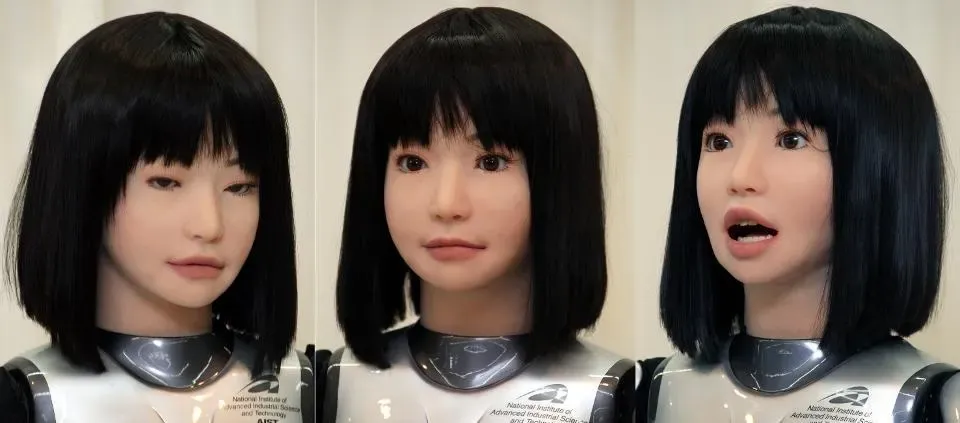
Facial Precision in Robot Clones
Facial precision is a critical feature in creating realistic robot clones. Advanced facial recognition technologies play a huge role in this. These technologies utilize machine learning and artificial intelligence to accurately identify and replicate human faces. By capturing intricate details like wrinkles, dimples, and even smile lines, robots can achieve a more lifelike appearance. Many systems also incorporate 3D modeling, which allows for a more comprehensive capture of facial features and nuances. The development of Human Like Robots is significantly influenced by these advancements in facial recognition.
Material selection is another key aspect of achieving a realistic appearance. Engineers often choose skin-like materials that mimic human skin's texture and color. Silicone, for instance, is widely used due to its flexibility and ability to hold detail. Additionally, coloring techniques can enhance realism. For example, using layered pigments can create depth, making the skin appear more lively and authentic.
Techniques for mimicking human expressions are also evolving. From programming small motors to create subtle movements to using rubber-like materials that flex with motion, there is a range of methods employed. Facial animation systems are often designed to help robots express emotions like joy or sadness. This makes human interaction with these robots feel more genuine. Yet getting these movements just right can be challenging, requiring numerous adjustments and extensive testing.
Calibration of facial movements is critical for synchronization with speech or actions. When a robot speaks, its facial movements must match the vocal output closely. This synchronization is essential for creating a believable interaction. Engineers need thorough testing of all facial components to ensure they move fluidly together. Often, this involves complex algorithms that help predict the best movements in real-time interactions.
One of the most significant challenges in achieving lifelike skin texture is replicating how human skin behaves under different conditions. Real skin changes when exposed to sunlight, moisture, and movement. Robots must be designed to include these variations, which adds complexity. Developing advanced sensors that can mimic feedback loops of temperature, humidity, and other environmental factors can aid in this challenge. Achieving a perfect replica of human skin is vital for creating truly immersive robotic experiences.
Vocal Precision in Robot Clones
When it comes to vocal precision, developing natural speech synthesis is foundational. This technology allows robots to produce speech that feels less robotic and more human-like. Companies invest heavily in linguistic programming, which helps robots understand nuances in conversation. Advanced algorithms analyze human speech patterns, making it easier for robots to adapt their responses. The result is a more engaging and realistic interaction with users.
Another innovation is incorporating emotional tone and inflection in robotic speech. This adds depth to conversations, allowing robots to express enthusiasm, sadness, or urgency. People often respond better when they sense emotions in a voice. For robots, capturing these nuances demands sophisticated programming and attention to detail. Engineers use voice modulation techniques to ensure that the tone matches the content appropriately.
However, accurately mimicking human voices presents challenges. Each human voice has unique characteristics like pitch and tempo, which is difficult for robots to replicate perfectly. This complexity increases with diverse accents and dialects across different regions. Engineers must conduct extensive research into variations in human speech to develop models that can adapt to various situations. It’s a continuous learning process that requires constant updates and refinements.
Noise reduction and clarity enhancement techniques are also critical in developing a robot's vocal capabilities. Background noise can hinder communication, making it vital for robots to focus on clarity. By applying sophisticated algorithms, engineers can filter out unwanted sounds, allowing for seamless dialogue. Innovative noise-cancellation technologies can significantly improve conversational quality. Clarity of speech goes a long way in ensuring users find interaction pleasant.
Finally, integrating voice recognition capabilities can enhance a robot's functionality. By incorporating this feature, robots can understand commands and respond accurately. This requires advanced processing units that can analyze spoken language and respond in real-time. Furthermore, the ability to learn from user interactions helps robots adapt their recognition patterns over time. This adds another layer of precision, making communication more intuitive and efficient.
Body Precision in Robot Clones
Achieving body precision in robot clones involves focusing on kinematics and biomechanics in robotics. Kinematics focuses on the motion of robots without considering the forces causing such motion. Understanding these principles allows engineers to create more fluid and human-like movements. With the aid of simulations, developers can model joint movements and angles to replicate how humans walk and move. This realm of engineering emphasizes efficiency and accuracy.
Selecting the right materials is crucial for enabling human-like movements in robotics. Engineers look for lightweight yet durable materials that can withstand regular use. Soft robotics is a growing field that explores materials like flexible polymers and soft actuators. These alternatives provide more natural movement, rather than stiff motions typical of traditional robotics. This is vital for creating robots that can perform complex tasks while interacting smoothly with humans.
Robotic sensors are essential for environment interaction. These sensors allow robots to perceive their surroundings and adjust their behavior accordingly. For instance, cameras and proximity sensors help robots navigate spaces, avoiding obstacles and adapting their movements. This responsiveness makes interaction more dynamic and engaging. The integration of sensory feedback loops enhances the ability to engage with users effectively.
Precision in gesture and posture mimicry is another area where development thrives. Robots must not only move but do so in ways that convey intention and emotion. For example, a robot that gestures while speaking adds to its expressiveness. Motion capture technologies help refine these gestures based on human movement data. By analyzing data from real-life interactions, engineers can train robots to replicate human body language accurately.
Naturally, overcoming challenges in fluid movements is a continuous process. Engineers must deal with issues like lag time and limitations in joint flexibility. Strong yet flexible joints are critical for achieving smooth movements. Extensive prototype testing helps identify weaknesses in designs. By utilizing advanced simulations and improving hardware designs, it's possible to enhance movement fluidity and overall performance.
Integration of Facial, Vocal, and Body Systems
The integration of facial, vocal, and body systems is crucial for a cohesive robot experience. All systems must work together in unison for the interaction to feel genuine. Engineers focus on ensuring that the facial expressions, vocal output, and body movements sync smoothly. This requires advanced software platforms that can handle real-time processing of signals from all components. Coordinated action leads to a more believable and engaging robot.
Software platforms for system integration are becoming more sophisticated. They provide frameworks that allow robotic components to communicate effectively. Engineers often utilize open-source tools to facilitate collaboration and improve functionality. These platforms can help streamline updates across different parts of the robot. Integration ensures that all the subsystems work seamlessly as one unit.
Real-time adjustment and adaptation mechanisms are also vital. Robots should dynamically respond to users and their environment to maintain relevance. Developers implement machine learning algorithms, enabling robots to learn from interactions. By adapting speech and movements in real-time, these robots become increasingly effective in social situations. This capability enhances user experience and fosters connections.
Testing and validation techniques for achieving full automation cannot be neglected. Rigorous testing ensures that every facet of a robot's performance meets standards. Engineers conduct simulations and real-world trials to validate their designs. Feedback loops from these tests allow for continuous improvements, helping refine robotic capabilities. Validation means ensuring that each system works not only individually but collectively as well.
Ethical Considerations and Future Perspectives
When examining the ethical implications of lifelike robotics, one must consider the potential ramifications. As robots become more human-like, questions arise regarding autonomy and responsibility. Could a robot be held accountable for its actions? These questions challenge societal norms and require careful thought. The boundaries of what makes us human may also shift as robots become more integrated into our lives.
The social impact of human-robot interaction is also a primary concern. How will society accept and adapt to the presence of advanced robots in everyday life? As robots assist in various fields like healthcare and service industries, their acceptance will depend on effective communication and reliability. Concerns about job displacement also arise, as automated systems take over tasks previously performed by humans. Addressing these societal shifts responsibly is crucial in moving forward.
Looking toward the future, innovations in robotic precision will likely continue to evolve. As technology advances, robots will become even more adept at mimicking human behavior. Added enhancements in AI will allow for improved machine learning, making robots more intuitive and adaptable. Future robotics will likely introduce unprecedented levels of interaction and engagement. Exploring the balance between technological advancement and ethical considerations remains essential.
Finally, regulatory and compliance challenges must be navigated. As the industry grows, so will the need for regulations to ensure safety and ethical practices. Standards will need to be established to govern robot design and usage comprehensively. This will help reduce potential risks and ensure that technology serves humanity responsibly. Collaboration between technologists and lawmakers will play a vital role in creating balanced frameworks for the future of lifelike robotics.