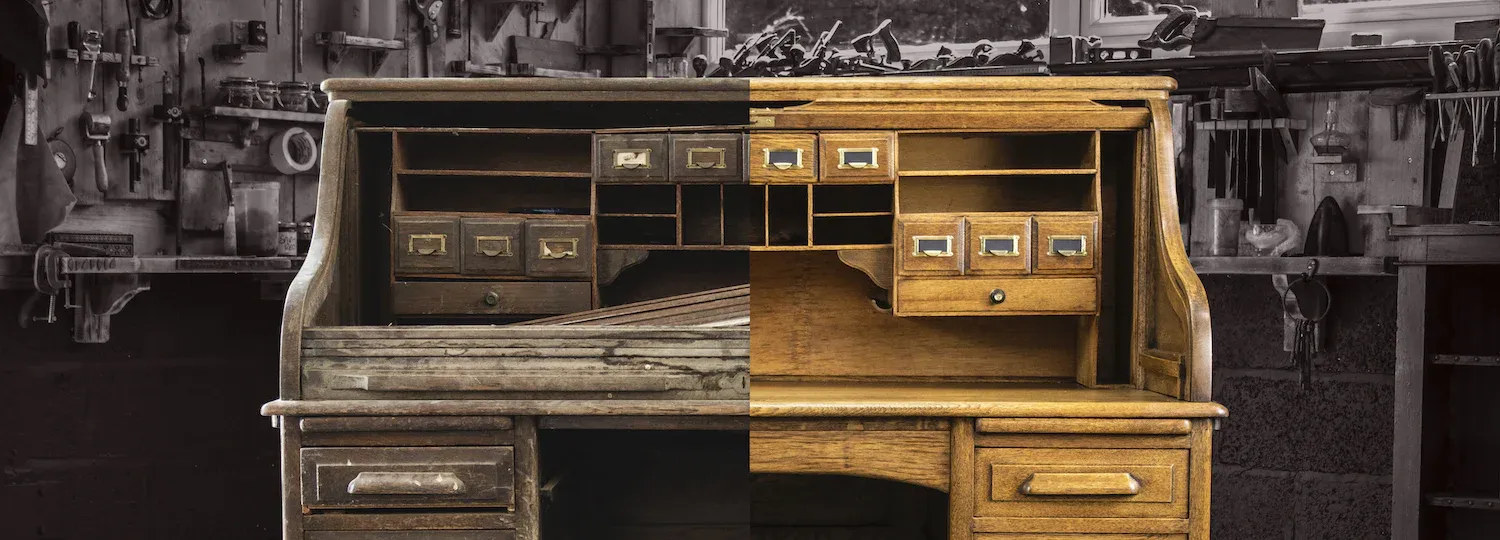
Identifying the Type of Vintage Wood Finish
Knowing the type of vintage wood finish is crucial for effective cleaning and preservation. Shellac, varnish, and lacquer are among the most common finishes found in vintage pieces. Shellac is made from natural resins and provides a warm, amber hue, while varnish forms a tougher film that's often shiny. On the other hand, lacquer dries quickly, giving a hard and durable surface. Identifying these finishes helps determine the right cleaning methods and preservatives to use.
To properly identify the finish, you can do some simple tests. Spot tests are effective ways to see how the finish reacts to various substances. Start by applying a small amount of denatured alcohol to an inconspicuous area; if the finish softens or dissolves, it’s likely shellac. For varnish, try a lacquer thinner. No reaction means you’re likely dealing with a polyurethane finish. Observing the reactions provides key insights into what products to use for cleaning and preservation.
Gathering the Necessary Tools and Materials
Before diving into the cleaning process, gather all necessary tools and materials. Start with cleaning supplies, including soft cloths and microfiber cloths. These are gentle on surfaces and minimize scratching. Additionally, using gentle cleaners like mild soap ensures you don’t damage the finish. A few paintbrushes are also useful for reaching into intricate details and crevices that a cloth might miss. Having the right tools makes your cleaning task smoother.
Next, you’ll need preservation materials. Polishes and waxes help maintain the shine and protect the wood. Be sure to select products specifically designed for vintage finishes to prevent adverse reactions. Wood conditioners and sealants provide added protection and nourish the wood itself. Finally, don’t forget about protective gear! Wearing gloves, safety glasses, and dust masks protects you from harmful dust and chemicals while working.
Cleaning the Vintage Wood Finish
Preparing the area for cleaning is vital for successful results. Ensure proper ventilation to avoid inhaling any harmful dust or chemical fumes. Open windows and use fans to circulate air effectively. Also, create a stable working environment. Clear the space of unnecessary items and set up a comfortable surface to work on, such as a table that’s the right height. This careful preparation allows you to focus solely on cleaning and preserving.
When it comes to removing dust and dirt, use microfiber cloths for their efficiency and gentle nature. They trap dirt effectively without scratching. For crevices, opt for soft bristle brushes to get into tight spots. This combination ensures thorough cleaning. However, some stains can be stubborn. For those, apply mild cleaners carefully. First, dampen a clean cloth with the solution, testing a small area before applying to the entire surface. If stains persist, consider solvents. Be cautious, as solvents can also affect finishes, and always test them first.
Repairing Minor Damage
Dealing with minor damage effectively can restore the beauty of vintage wood finishes. For scratches and small imperfections, use appropriate fillers. Choose a filler that matches the wood color to ensure a seamless look. Applying the filler requires patience; work it into the scratch and smooth it out. Allow it to dry completely before sanding it down to blend with the surrounding area. A careful approach helps maintain the integrity of the wood while improving its appearance.
It may be necessary to fix loose or missing elements. If you notice veneers lifting, use a strong adhesive to reattach them carefully. Apply pressure until secured, and remove any excess glue immediately. For larger areas with missing parts, you must consider replacing them. This process requires matching the original wood species and grain. Take your time with replacements and ensure they are attached and finished in a style consistent with the original piece.
Preserving and Enhancing the Finish
After cleaning, it’s crucial to focus on preservation and enhancement. Applying polishes and waxes can significantly improve the wood’s appearance. Select the right products that are suitable for your finish type. Follow a step-by-step polishing method by first applying a thin layer of polish with a clean cloth, then buffing it into the surface. Repeat this process for best results. Proper treatment allows the wood to breathe while providing a beautiful sheen.
Another important step is conditioning the wood. Utilizing wood conditioners not only enhances the appearance but also helps prevent drying and cracking. Apply the conditioner evenly across the surface using a soft cloth or brush. Conditioning can be done a few times a year, depending on the wood's wear and exposure to various environments. This proactive approach significantly contributes to the long-term health of vintage wood finishes.
Long-term Preservation Tips
To maintain vintage wood finishes effectively, establish a regular maintenance routine. Schedule cleaning sessions every few months to remove dust and dirt. Additionally, re-waxing and polishing should be done at least twice a year to maintain the finish and enhance the wood’s glow. Consistency is key; maintaining a routine helps protect against wear and damage over time.
It’s also vital to protect vintage wood from environmental factors. Keeping humidity and temperature levels stable can prevent cracking and swelling. Using a dehumidifier or humidifier can help manage these conditions in your space. Also, shield the wood from direct sunlight, which causes fading and degradation. Using curtains or UV-filtering films on windows can greatly extend the life of your vintage finishes.
Safety Precautions and Professional Help
Safety should always be your top priority when cleaning and preserving vintage wood finishes. Understanding how to use and dispose of chemicals safely is crucial. Always read labels and follow manufacturer instructions. Ventilation is important, too; make sure you’re in a well-ventilated area when using solvents or strong cleaners. Wearing protective gear like gloves, safety glasses, and dust masks ensures that you stay safe from exposure to harmful substances.
Sometimes, despite your best efforts, you may encounter situations needing professional help. Identifying when to contact experts can make a significant difference in maintaining your vintage piece. If you’re dealing with severe damage or unsure about the cleaning process, calling in professionals is wise. They possess the skills and tools for more complex repairs. Also, consider looking into resources for reputable restoration services in your area for peace of mind. Knowing when to seek help allows you to preserve your vintage furniture effectively.
Are you looking for professional services? Find more details here:
antique furniture refinishing